Cray pots are being dusted off from the shed, ropes are being prepared, the freezers are stocked with bait and safety equipment is being updated, as the warmer weather brings with it what’s known as the annual ‘whites run’.
Cray fishers are well prepared this year, with knowledge in their back pocket of the season to come with healthy stocks of crayfish announced earlier in the year resulting in the opening of a 12 month season and updated rules that are simplified and practical, ensuring people’s fishing experiences are maximised.
What is the white’s run?
Late November is when it all kicks off with crays making their annual migration to offshore waters, providing excellent fishing in nearshore waters. Once it cranks up, the fishing will be superb, with many boats traditionally reporting catching their boat limit most days during this migration period and good catches usually continue until about Christmas time.
Why are they called ‘white’ crays?
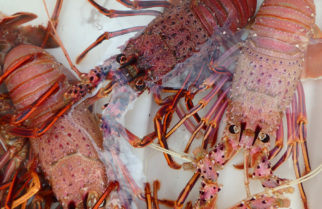
A ‘white’ cray is a colloquial term applied to crays that are freshly moulted and have a soft, pale shell. This is in comparison to pre-moulted crays which have a hard, red shell. The crays are exactly the same but are at different stages of their life cycle.
How do I go about catching them?
The white’s run is when potters do best. Diving catches tend to be more consistent than potting catches across the summer, but the period from late November to Christmas is when dropping pots come into its own.
As crays are on the move from under their usual nearshore reef ledges, they will seek food and shelter along their migration path. A cray pot provides both of these needs. Pots should be set on the sand on the western side of natural habitats such as reef or weed. Keep dropping pots further out to sea as the migration continues, and check your pots every day during this period.
Crays can travel many kilometres a day so don’t be afraid to spread your pots out to get an idea of where good numbers of crays are each day. Crays love fresh bait, so don’t let your bait get rotten in the basket, change it every few days at the very least.
Perhaps the most important aspect to remember when dropping pots is to make them heavy. Any movement on the bottom will result in no crays the next morning, so make sure you use plenty of weight.
Diving is the other main way of catching crayfish. Most divers search under rock ledges to find the crays and then either use a cray snare or a gloved hand to grab their quarry.
If you’re diving for crays, check out our separate article here.
Read our top tips for potting for crayfish which includes what bait to use and other handy tips to help you catch more crays this year.
https://ilovefishing.com.au/2017/10/12/top-tips-potting-crayfish/
How do I rig my pots to ensure they comply with the new rules?
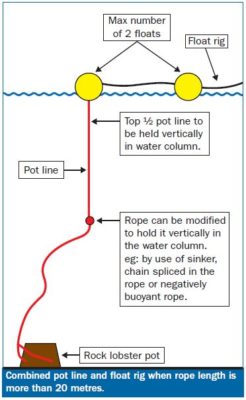
Recreational lobster pots will now have to be rigged in a similar fashion to commercial pots to mitigate the potential risk of interaction with migrating whales.
Any pot using more than 20m of rope will be required to hold the top half of the rope vertically in the water column. This can be achieved by using sinking rope on the top half of the pot rope, or by simply attaching a weight such as a fishing sinker half way down the rope. Additionally, a maximum of two floats will apply on recreational pots.
Check out our video here:
Or view the diagram as part of the Recreational Rock Lobster Fishing Rules Brochure.