Setting the Destination - What Comes Next for the West Coast Demersal Fishery
By Dr Andrew Rowland, CEO, Recfishwest
Over the past 18 months, I’ve spent more time thinking about West Coast demersal fishing than any other issue in my career.
Last month we made our submission to the Western Australian Parliament’s inquiry into the West Coast demersal fishing closure. Recfishwest lodged a comprehensive submission on behalf of recreational fishers, drawing on months of engagement with fishers, careful analysis and a clear vision for where we believe this fishery should head next.
But this article isn’t really about the inquiry. Nor is it about reliving the arguments that have dominated recreational fishing over the past year.
It’s about what comes next.
Because if there’s one lesson I’ve learnt over many years representing recreational fishers, it’s that good advocacy isn’t measured by how loudly you oppose government or how many headlines you generate. It’s measured by whether governments ultimately adopt the principles you’re fighting for and whether, years later, recreational fishing is genuinely in a better place than when you started.
That doesn’t always make you popular. It’s easy, and tempting, to oppose change. It’s much harder to help shape better outcomes that protect fish stocks and secure a better future for recreational fishing. That’s the role of a peak body.
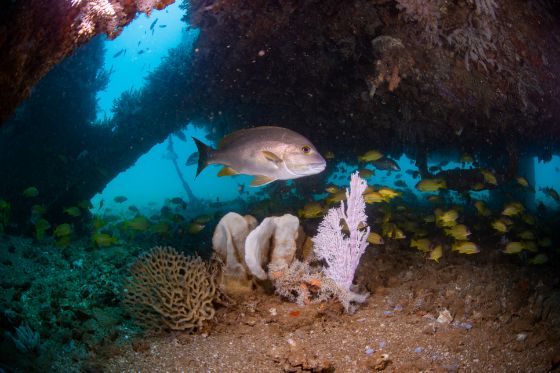
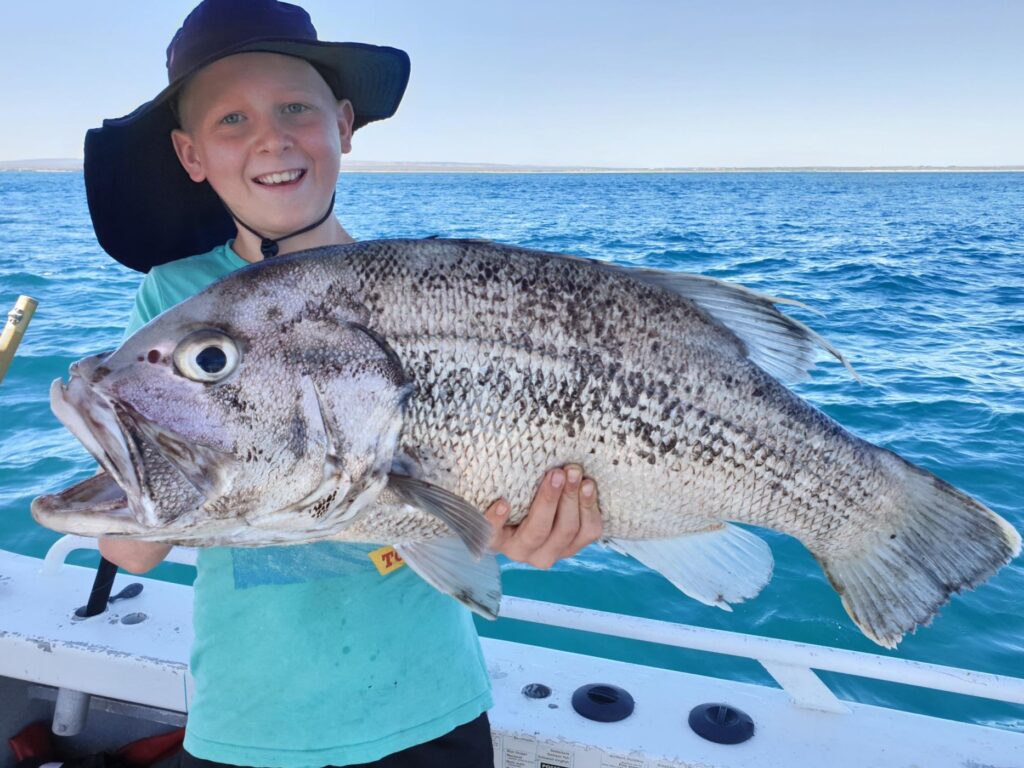
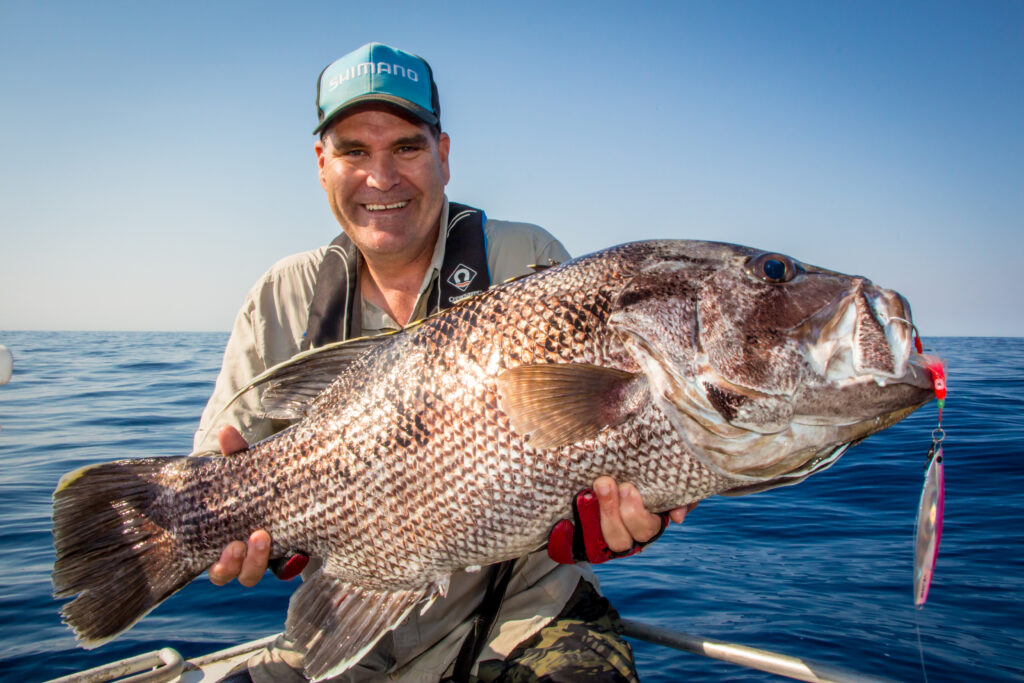
If there’s another lesson I’ve learnt over the years, it’s that recreational fishers care deeply about the fish we catch. No species captures that emotion more than the West Australian dhufish. Found nowhere else on Earth, it represents something uniquely ours. It evokes pride, privilege and respect in equal measure.
While debates continue around aspects of management and people will always hold different views on the best way forward, I have never met a recreational fisher who doesn’t genuinely want to see healthy dhufish stocks and a faster recovery.
That common ground is important because it reminds us that, despite all the debate, we’re actually trying to achieve the same thing. The question has never been whether we should recover the fishery. The question has always been how.
Practical solutions for a better fishery
Representing 750,000 fishers means balancing diverse expectations. Some want greater access, others stronger conservation, others simply want the fishery their children will inherit to be healthier than the one we have today.
Our role isn’t to simply reflect the loudest voices. It’s to develop practical solutions that first meet the needs of the fish stock. Because without healthy fish there is no fishery. From there, it’s to maximise the access, enjoyment and community benefit that flows from that resource.
“Governments don’t need more people telling them there’s a problem. They need organisations prepared to bring genuine solutions.”
That’s always been Recfishwest’s approach. We start by asking what gives recreational fishing the strongest future: healthy fish stocks first, then the greatest possible fishing experiences within those environmental limits, supported by practical management and the best available science.
Those principles guided our submission to the parliamentary inquiry, just as they guided our work before the Government’s decision was ever made.
Breaking out of the broken cycle
For nearly two decades, West Coast demersal management has followed a familiar pattern. A stock assessment…another review… another restriction…another debate. Then the inevitable promise that this latest change would be enough. Yet the underlying sustainability challenge remained.
Eventually you have to ask whether you’re solving the problem or simply managing the symptoms.
When the latest stock assessment was released, it became clear to me that this Government was approaching the issue differently. It was equally clear that the Minister was taking her responsibility for the long-term sustainability of the fishery extremely seriously. Rather than looking for another incremental adjustment, Government was prepared to consider fundamental reform.
Whether people ultimately agreed with every aspect of the decision or not, one thing became obvious. The question had changed.
Good fisheries management begins with a simple question: what are we trying to achieve? If government isn’t clear about what it wants a fishery to deliver, managers are left responding to individual issues rather than working towards a clear outcome.
Policy sets the destination. Management decides how to get there. Advocacy helps ensure both reflect the interests of recreational fishers.
If the policy objective is unclear, every management decision becomes reactive. Every review becomes another compromise. Every restriction becomes another attempt to buy a little more time.
The result is exactly what many of us have experienced over the past 20- years, essentially an incremental-change merry-go-round with no clear destination.
That, in my view, is what fundamentally changed.
Click here to see the article as it appears in Western Angler
For the first time, the Western Australian Government made an explicit policy decision about what it wanted this fishery to deliver. It decided the greatest benefit from the West Coast demersal fishery would come from prioritising recreational and charter fishing.
For decades, recreational fishers have argued that when access to a publicly owned resource is constrained, governments should manage that resource to deliver the greatest overall benefit to the community. Not simply the greatest harvest but the greatest value.
That value includes family experiences, community wellbeing, regional tourism, local businesses and stewardship.
That represents one of the most significant shifts in fisheries policy I have seen in my career.

Evolving the science
One of the strongest themes in our submission is that the next stage of management must be supported by the strongest possible science and, where fishers’ observations and scientific conclusions diverge, we need to understand why.
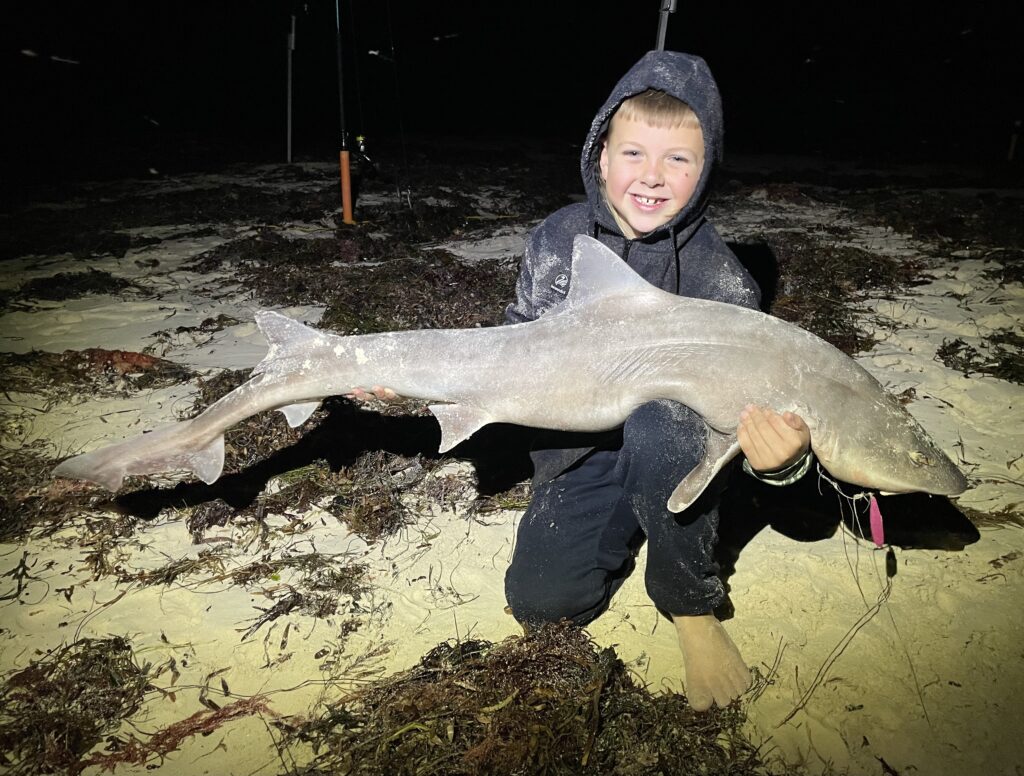
We’ve all remarked on the extraordinary numbers of pink snapper now being caught from shore. Those observations deserve to be understood, not dismissed. Equally, they shouldn’t automatically overturn broader stock assessments. Good fisheries management isn’t about choosing between science and on-water observations. It’s about understanding where they diverge and why. That’s how science improves and confidence grows.
Now that Government has set its direction, the challenge is ensuring future management reflects the best available evidence, continues to evolve and builds confidence among the people expected to live with the outcomes.
Getting the reopening right
The parliamentary inquiry matters because it gives us an opportunity to shape what happens when the fishery reopens. While much of the public discussion has focused on the closure itself, I think the more important conversation is about the reopening.
When boat-based demersal fishing resumes in September 2027, it shouldn’t simply recreate the management arrangements of yesterday. The removal of commercial demersal fishing from the West Coast fundamentally changes the fishery’s risk profile.
That creates opportunities and allows us to think differently.
Can we better protect spawning fish while improving fishing opportunities elsewhere, like we have done with pink snapper in Cockburn Sound for over 20 years? Can depth-based management provide more flexibility, such as targeting pink snapper in shallow water or deep-drop species out wide, while still protecting dhufish from barotrauma?
Can management become smarter, rather than simply more restrictive?
These are exactly the conversations Recfishwest has begun through our submission and will continue to explore with Government.
If Government has recognised recreational fishing provides the greatest benefit from this fishery, then management should now evolve to deliver the very best recreational fishery possible while maintaining sustainability.
That is the opportunity before us.

The real role of a peak body
The future of recreational fishing won’t be determined by one decision, one inquiry or one government. It will be determined by whether we consistently turn up, engage constructively and continue shaping the decisions that follow.
Perhaps the role of a peak body is often misunderstood. People often judge advocacy by how strongly an organisation opposes government.
I don’t.
I judge it by whether governments ultimately adopt the principles you’ve consistently argued for, such as healthy fish stocks, strong science, maximum community benefit, fair access and long-term certainty.
Those principles shaped our approach before this decision, they shaped our submission to the inquiry and they’ll shape our work over the 12 months as we focus on the reopening.
If, 10 years from now, recreational fishers are enjoying healthy dhufish stocks, abundant pink snapper and a stronger, more resilient demersal fishery, we’ll look back on this period very differently. It won’t simply be remembered as a time of restrictions, but as the moment we chose the future of the fishery over the comfort of the status quo.
Ultimately, I don’t judge advocacy by the arguments it creates. I judge it by the outcomes it leaves behind.
Dr Andrew Rowland,
CEO of Recfishwest