Cockburn Sound is entering a period of enormous change – and Recfishwest wants to make sure that change leaves the Sound healthier, more productive and still a great place to fish.
The State Government recently asked the community for its views as part of its review of the State Environmental (Cockburn Sound) Policy – the overarching policy that guides how the environmental values of the Sound are protected and managed.
With major developments planned in and around Cockburn Sound over coming decades, including Westport, expansion at the Australian Marine Complex at Henderson and increased defence and industrial activity, getting this policy right matters.
Recfishwest has now lodged our submission to the review, setting out a clear vision for what we believe the future of Cockburn Sound should look like.
We should aim for better, not just prevent things getting worse
Cockburn Sound has come a long way since the serious environmental problems of previous decades, but it remains a recovering ecosystem.
More than 80 per cent of its historical seagrass meadows have been lost and, while environmental conditions have improved substantially from historical lows, we don’t believe preventing further deterioration should be the limit of our ambition.
We want the revised policy to establish a long-term vision for a healthy, productive, resilient and accessible Cockburn Sound.
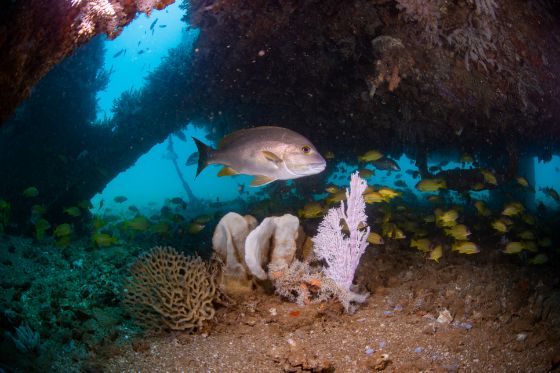
That means looking beyond water quality alone and considering whether habitats are recovering, fish populations are thriving and important spawning and nursery areas are being maintained or improved.
Fishing and boating access matter too
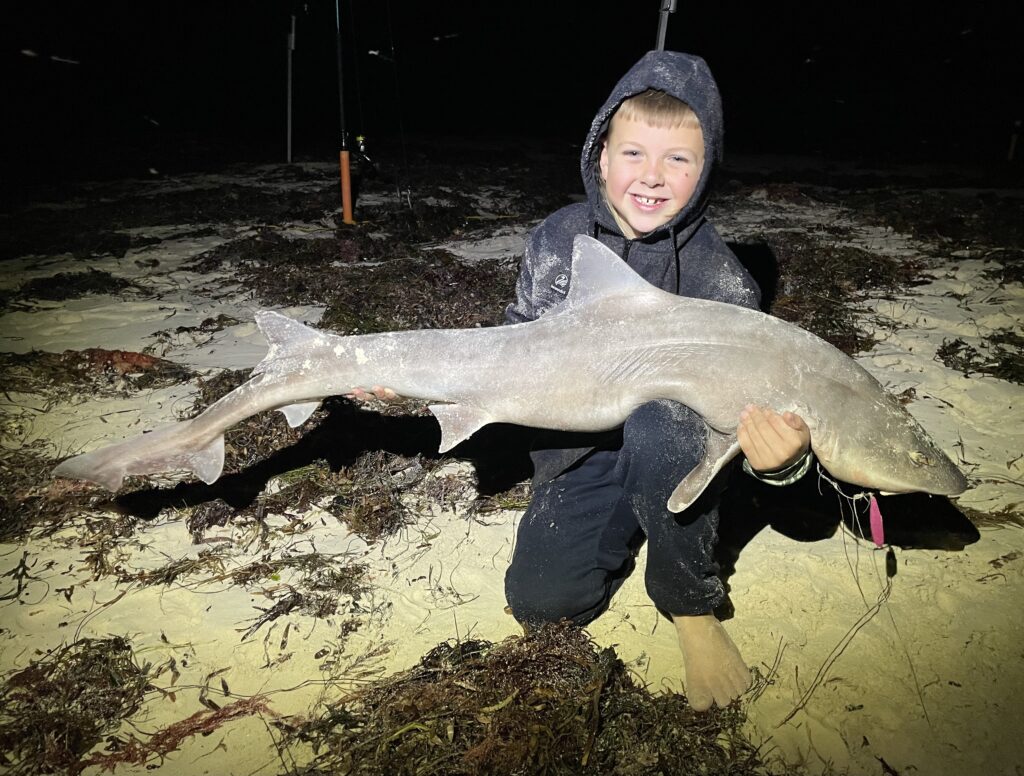
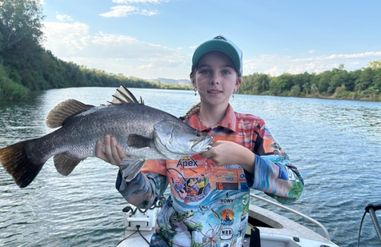
Cockburn Sound isn’t only environmentally important – it’s the jewel in the crown of metropolitan fishing.

That’s why our submission calls for recreational fishing, boating and community access to be more explicitly recognised.
READ RECFISHWEST’S FULL SUBMISSION HERE
As industrial, defence and port activities increase, there is a risk that fishing and boating access can be gradually chipped away through a series of individual decisions.
We also want Government to look at the cumulative impact of everything happening in the Sound. Managing individual developments in isolation isn’t enough when their combined effects on habitat, access, amenity and the fishing experience could be significant.
At the same time, the billions of dollars being invested in and around Cockburn Sound present an opportunity. Alongside avoiding and minimising impacts, we should be looking for opportunities to restore and enhance habitat, improve fishing and boating access and leave the Sound in better condition.