Marron are endemic to WA’s South-West and fishing for them is a tradition for many WA families. They are great eating and the largest freshwater crayfish in Western Australia and as another year nears its end, this summer’s marron season is nearly here.
Due to open from noon on 8 January to noon on 5 February this season should see more than 11,300 licensed fishers head off to the South-West waterways to target these freshwater crustaceans. Marron are targeted in some of the most accessible and beautiful areas of the South-West; fishers experience the fantastic bushland of the South-West first-hand while fishing.
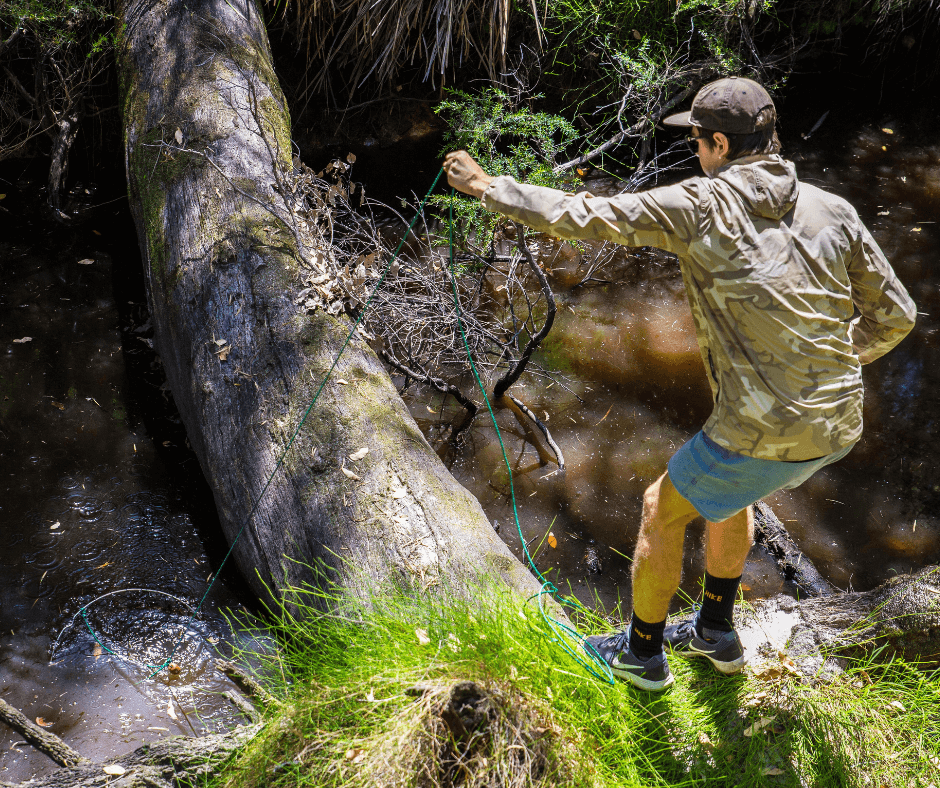
Marron can be caught using drop nets, scoop nets or snares all of which are relatively inexpensive. Fishers can choose to target marron in rivers with drop nets and scoops or in trophy water dams with snares.
Trophy waters are specific areas that are managed differently to provide fishers with the opportunity to catch trophy sized marron. Harvey and Waroona Dams along with Hutt River are deemed trophy waters, with Harvey and Waroona Dams being snare only (meaning no nets or scoops).
Snares are a challenging but often more rewarding method of chasing marron. This coupled with larger size limits and tighter bag restrictions creates fisheries where there is more chance of catching marron and larger sized ones too. These delicious crustaceans are an icon to many people in Western Australia and as such carefully managed by the Department of Fisheries.
It is worth having a good read of the Marron Recreational Fishing Guide to understand the specifics of marron fishing including fishing methods, what method is allowed in which area as well as the applicable bag limits.
Habitat
Marron prefer cool, oxygenated water with low salinity and areas with fringing or overhanging vegetation and submerged or fallen trees for cover. The healthiest populations of marron are in rivers that are mostly in their natural state; with healthy bushland throughout their catchments and with plenty of vegetation along their banks with little to no alteration to their natural flow regimes. Marron eat almost anything organic found in rivers or dams, including leaves, algae, and other small invertebrates and decaying matter. Marron respond well to chook pellets and there are considered the preferred bait for many fishers.

How to catch
There are three methods to catch marron – the relaxed set and forget of drop netting from the banks of a river or the more active patrolling of the water’s edge with a torch and a bushman’s pole, or scoop net along shallows. Many would consider drop netting as the most common method, partly because there is less work involved and many are looking for a relaxing evening. Drop nets are a very simple yet effective method that can only be used in certain waterways. These have holes in the base large enough for smaller undersize marron to escape (outlined in the recreational marron guide). Setting drop nets along open sections of water away from logs and submerged trees is important as they can easily become caught up and stuck making them difficult to retrieve. Chook pellets in a sock secured to the middle of the drop net are great bait for marron in these nets. Bushman poles can be used in trophy areas unlike drop nets and scoops and are great fun as well as a good challenge. A bushman’s pole is any stick or pole with a self-tightening noose attached to the end of it; the user must not be able to open and close the loop like you can with a cray loop.
Making small piles of chook pellets around 30cm from the shore along the bank of the river or dam can draw in the marron in close. When searching for marron around your pellets, try aiming the torch to the side keeping the marron on the edge of the light, use just enough light to see the marron so you don’t spook them. While a marron is within reach of your snare, lower the loop down behind the marron. Once the loop is in position, shine the light directly on the marron to make it move back slowly. Lift the pole to then tighten the loop around the tail of the marron.
Marron are like prawns and crayfish; they can walk slowly in any direction and when frightened they will shoot backward with a pull of their tail. When searching along the banks ensure you only shine the light as far as you can reach with your snare. Shining the light onto marron will only spook them, making them less likely to come in close where you can reach them with your snare. Scoops are used in a similar way to snares but are not allowed in trophy waters. Many people wade through the shallows with scoops and head torches searching for marron, aiming to scoop the marron from behind as this is the direction they will usually retreat to using their tail.
Not sure how to cook marron? Visit I love Fishing – Cooking Marron
The finer details
Setting up a base camp around the area you intend to fish is ideal, doing this before dark helps you to be ready for your night time marron mission. Once set up, make sure you survey of the area for potential fishing spots. Collecting any rubbish during daylight will prevent you from stumbling onto them in the dark making the fishing experience safer, and benefiting the environment. Make sure you wear suitable footwear to protect your feet from sharp sticks or rocks along the banks. Consider other fishers by reducing music noise in later hours of the night, taking all your rubbish home with you and try not to take up a massive area of the bank as ‘yours’. Most of the time concentrating on a smaller area is more productive than trying to cover a huge area. Walking quietly and calmly along the water’s edge is important as it will prevent the marron from moving away to deeper water where they’re harder to catch.
*Please note, it is illegal to enter private property to access a river or creek without permission of the farmer/landholder.
Enjoying the stunning South-West
Many avid Marron fishers have areas or spots they revisit around the South-West in search for a great feed, with over 20,000 individual days of marroning estimated to have been undertaken in regional South West areas each marron season. The Fisheries Department have also estimated that in 2015, a further 30,000 marron could be sustainably harvested on top of what has been recreationally caught, allowing new marron fishers to be part of a sustainable fishery and have a great chance of getting a feed. Many fishers have preferred spots that are not simply chosen for targeting marron, but instead for being a great camping location along a spectacular stretch of water. If you’ve never targeted marron before, it’s definitely worth having go. Not only are they fun and rewarding to catch, but you will have a memorable experience exploring the State’s South-West among the bush and freshwater rivers and dams with your mates or family. All while targeting some of the tastiest crustaceans you’ll ever have on your plate.


